At the Young Academic Inventors (YAI) Award Symposium, Stony Brook University researchers demonstrated how innovation can help address modern challenges.
The Symposium on Tick-borne Diseases at Stony Brook University brought together researchers and clinicians to discuss the latest advances in tick-borne illness.
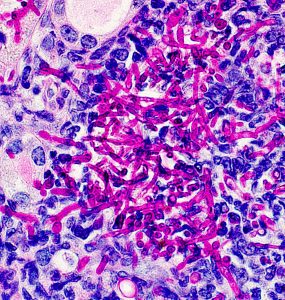
Systemic candidiasis is an opportunistic fungal infection that has been difficult to treat effectively. Research published in a paper in the April edition of Cell Host & Microbe suggests that immune metabolic...
Stony Brook-led published research centers on use of a bacterium to trigger immune system response A research team investigating the use of the bacterium Listeria monocytogenes against colorectal cancer has discovered a...
Carol A. Carter, SUNY Distinguished Professor in the Department of Microbiology and Immunology, has been elected a Fellow of the National Academy of Inventors.
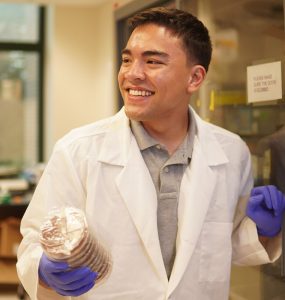
When Stony Brook MD/PhD candidate Dante Dullas discusses his research, what emerges is a scientist driven by curiosity, rigor and a collaborative environment.
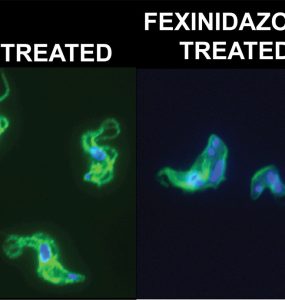
A research team led by Stony Brook University scientists has conducted the first comprehensive analysis of how fexinidazole kills trypanosomatid parasites.
A new study led by Stony Brook Medicine finds that advanced kidney disease compromises the survival of B cells, a type of infection-fighting white blood cell
The Department of Microbiology and Immunology in the Renaissance School of Medicine has been honored as a Milestones in Microbiology site for its research.
A study that assesses the effects of hypochlorous acid (HOCI), commonly known as bleach, as it is generated during the immune response of a cell (phagocytosis) when fighting a common fungal pathogen, Candida albicans...
Led by Pawan Kumar, the research identified a new role for Interleukin-17A in promoting selective epithelial cell development and limiting inflammation during colitis.